
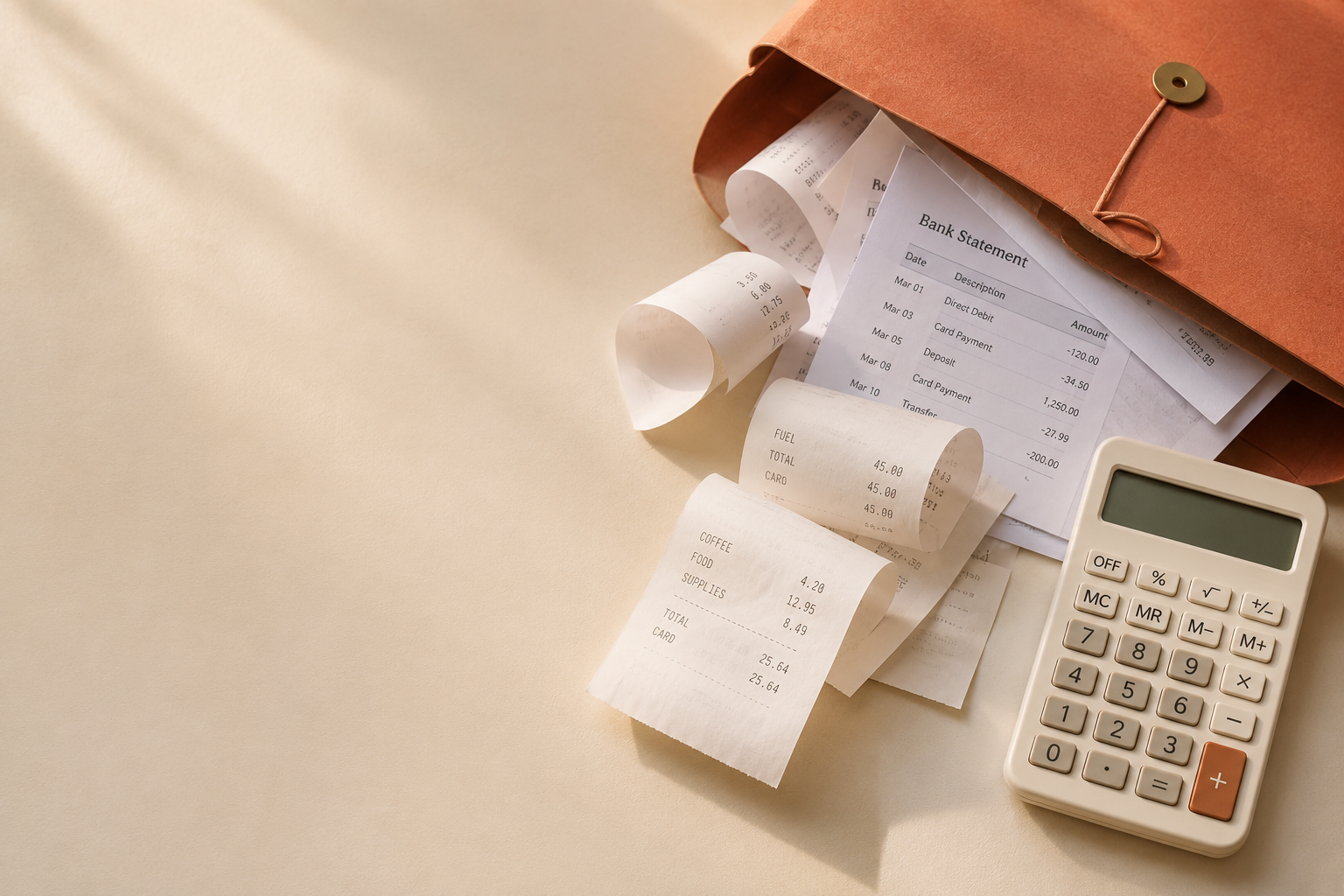
When was the last time you looked at your books?
A bookkeeping cleanup is a review and correction of your books so they match what actually happened in your bank, credit card and payment processor accounts. That usually means categorizing transactions, reconciling accounts, removing duplicates and fixing balances so your reports are accurate and ready for your CPA.
And I don’t mean checking your bank account to see how much money is there. 😊
I mean really looking at your books.
Are your bank and credit card accounts reconciled? Are there transactions sitting in QuickBooks that still need to be categorized? Does your Profit & Loss make sense? Would you feel comfortable sending your books to your CPA or tax preparer today?
If you’re thinking, “Probably not,” you’re definitely not the only business owner in that situation.
I work with business owners who are great at what they do, but bookkeeping is one of those things that can easily get pushed to the bottom of the list.
You’re taking care of clients. You’re following up on invoices. You’re paying employees and vendors. You’re trying to bring in new business.
Then suddenly you realize you’re six months, or even a year, behind on your books.
That’s where a bookkeeping cleanup can help.
What is a bookkeeping cleanup?
A bookkeeping cleanup is basically what it sounds like: we go through your books, figure out what’s wrong or incomplete, and work on getting everything cleaned up and reconciled.
Depending on what’s going on in your books, that might mean:
- Categorizing or correcting transactions
- Reconciling bank and credit card accounts
- Finding duplicate or missing transactions
- Correcting account balances
- Reviewing your Chart of Accounts
- Cleaning up owner contributions or distributions
- Reviewing payment processor activity
- Looking at your Balance Sheet and Profit & Loss for things that don’t make sense
- Correcting prior bookkeeping errors
Every cleanup is different.
I’ve seen books that are technically “caught up” but still need cleanup because accounts haven’t been reconciled correctly.
I’ve also seen business owners who simply haven’t had time to touch their bookkeeping for months.
Both can be fixed.
Are my books done if everything in QuickBooks is categorized?
This is a big one.
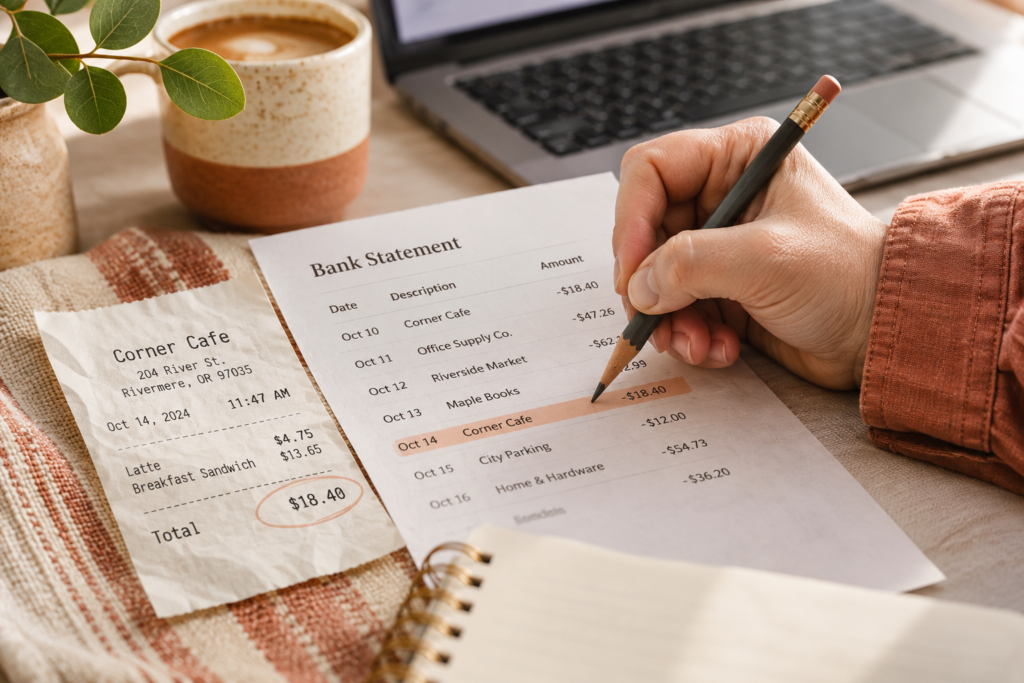
Categorized doesn’t necessarily mean reconciled.
You can categorize every transaction sitting in your QuickBooks bank feed and still have inaccurate books.
Reconciliation is where we compare what’s recorded in QuickBooks against what actually happened in your bank, credit card or other financial accounts.
That’s how we can catch things like duplicate transactions, missing transactions and balances that don’t match.
So if QuickBooks says there are zero transactions waiting for you, that’s great, but it doesn’t automatically mean your bookkeeping is complete.
How do you know if your books need a cleanup?
Here are a few things I would check:
- You don’t remember the last time your accounts were reconciled.
- You have months of uncategorized transactions.
- Your QuickBooks balances don’t match your actual accounts.
- You see negative balances that don’t make sense.
- There are duplicate or missing transactions.
- Your Profit & Loss doesn’t look right.
- Personal and business expenses have gotten mixed together.
- You’re several months behind.
- You don’t really trust the financial reports coming out of QuickBooks.
Here’s another easy test:
Would you be comfortable sending your books to your CPA today?
If the answer is no, that’s probably a sign that we need to take a closer look.
Why do clean books matter beyond tax season?
This is one of the things I really want business owners to understand.
Bookkeeping isn’t just for taxes.
Yes, having clean books makes tax season much easier.
But I also want you to be able to look at your numbers throughout the year and understand what’s happening in your business.
- Are you actually profitable?
- Where is your money going?
- Are expenses increasing?
- Do you have enough cash?
- Can the business afford that next hire or investment?
Those are much harder questions to answer when you don’t trust your books.
That’s why I care about getting the bookkeeping right, not just checking a box that says it’s finished.
What should you have when your books are cleaned up?
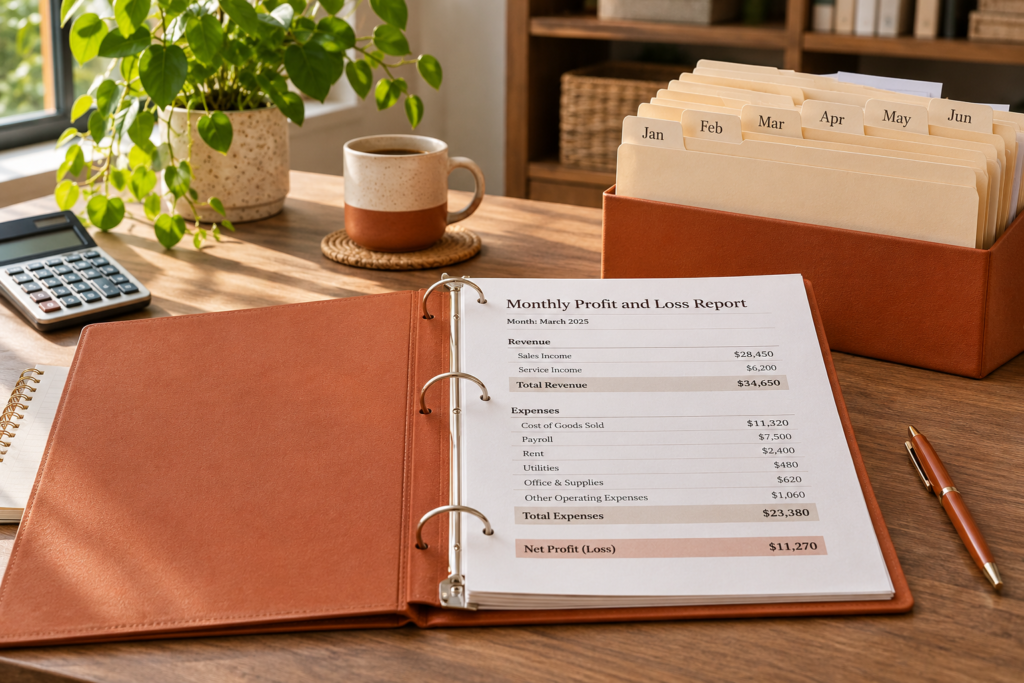
Once your bookkeeping has been properly cleaned up and reconciled, you should be able to produce reliable financial reports.
Some of the reports your CPA or tax preparer may ask for include:
Profit & Loss Statement
This shows your income, expenses and profitability.
Balance Sheet
This shows what the business owns, what it owes and the owner’s equity in the business.
Trial Balance
This shows the balances in your accounting accounts and is commonly used by accountants and tax professionals.
Statement of Cash Flows
This helps you understand how cash moved in and out of the business.
General Ledger
This gives you the detailed transactions behind your financial statements.
Depending on your business, your tax professional may ask for additional information as well.
The goal is to get your bookkeeping to a point where you have clean, reconciled financial information that you can confidently share with your CPA or tax preparer.
What if you’re already a year behind?
Start now.
Seriously.
Don’t wait another six months because you’re embarrassed that you haven’t kept up with it.
Running a business is a lot.
Bookkeeping gets pushed aside sometimes. What matters now is figuring out where things stand and making a plan to fix it.
Start by asking yourself:
- How many months am I behind?
- How many business bank, savings and credit card accounts do I have?
- Do I use Stripe, Square, PayPal or another payment processor?
- Approximately how many transactions happen each month?
- When were my accounts last reconciled?
Once you know those answers, you’ll have a much better idea of how much work needs to be done.
And if you have no idea how to answer some of those questions, that’s okay too. That’s something I can help you figure out.
If you want to start on your own, here are some tips for catching up on your books quickly.
Can you clean up your own books?
Absolutely.
If your bookkeeping is fairly simple and you’re only a month or two behind, you may be able to sit down and get caught up yourself.
I’d rather tell you that than make you feel like every bookkeeping problem requires hiring someone.
But if you’re dealing with multiple accounts, months of unreconciled activity, payment processors, duplicate transactions, incorrect balances or a year of bookkeeping that needs to be reviewed, that’s when getting professional help can save you a lot of time and frustration.
Need help getting caught up?
If you’ve been reading this and thinking, “Yep, this sounds like my books,” I’m happy to take a look with you.
Murrell Bookkeeping Services is currently offering a 12-Month Bookkeeping Cleanup Package for qualifying service-based businesses.
The package includes up to:
- 1,200 total transactions
- 5 business financial accounts
- 30 hours of cleanup work
- One business entity
Your accounts can be a combination of business checking, savings, credit cards and payment processors/POS accounts.
Once the cleanup is complete, we’ll also provide a tax-ready financial package that includes your:
Profit & Loss • Balance Sheet • Trial Balance • Statement of Cash Flows • General Ledger • Account Reconciliation Reports
Package Value: $4,500
Current Offer: $3,000
You Save $1,500 (33%)
Not every set of books is going to fit within this package, and I want to be upfront about that.
I’d rather look at what’s going on first and tell you what you actually need instead of selling you a package that isn’t right for your business.
Frequently asked questions about bookkeeping cleanup
Is categorized the same as reconciled?
No. Categorizing labels your transactions. Reconciling checks your books against your actual bank and credit card statements, which is how duplicate transactions, missing transactions and wrong balances get caught.
What reports should I have after a bookkeeping cleanup?
You should be able to produce a Profit & Loss Statement, Balance Sheet, Trial Balance, Statement of Cash Flows, General Ledger and account reconciliation reports.
Can I do a bookkeeping cleanup myself?
If your bookkeeping is fairly simple and you’re only a month or two behind, often yes. Multiple accounts, payment processors or a year of unreconciled activity usually call for professional help.
Not sure where your books stand?
We’ll talk about where you’re at, what’s going on with your bookkeeping and whether the cleanup package makes sense for your business.